
MMR Infrastructure Connectivity Growth is reshaping the future of urban living across the Mumbai Metropolitan Region. The Mumbai Metropolitan Region (MMR) is undergoing a massive structural evolution. As we move through 2026, the region is shifting from a congested urban center into a highly connected multi-modal mega-region. For families and professionals, these massive engineering projects are not just about roads and rails; they are about reclaiming time, improving daily life, and securing a future in the city’s most promising growth corridors.
The expansion of travel networks is effectively decentralizing the city. By slashing travel times, these infrastructure upgrades are bringing peripheral neighborhoods into the spotlight, making them the new preferred destinations for modern gated communities.
The Metro Expansion – Linking Residential Hubs
The rapid rollout of the Mumbai Metro Rail Network is the most significant change to the city’s skyline. With multiple lines now operational and reaching deeper into the suburbs, the dependency on traditional local trains is decreasing. This shift has led to a rise in transit-oriented development, where life revolves around easy station access.
- Seamless Integration: New routes are connecting once-isolated pockets of the Eastern Suburbs and Thane directly to the main business districts.
- Property Value Impact: Areas within a short walk or drive of new stations are seeing a steady rise in rental demand and long-term interest.
- Micro-Market Growth: Residents in the extended suburbs now enjoy 20 to 30-minute access to corporate hubs, turning these zones into prime residential pockets.
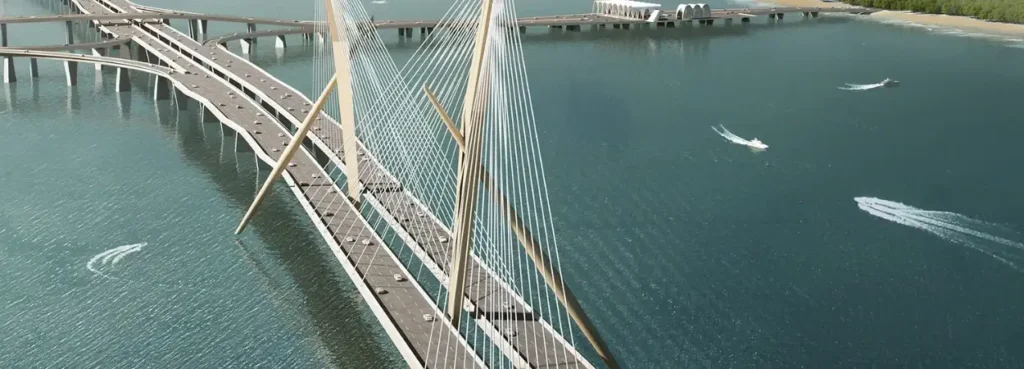
Bridging The Region – The Impact Of Atal Setu
The opening of the Atal Setu (MTHL) has fundamentally changed the geography of the mainland. By connecting the island city to Nhava Sheva, it has unlocked massive potential for real estate development across the harbour. This sea bridge acts as a vital economic link, shortening the distance between South Mumbai and the developing eastern peripherals.
The Airport & Growth Synergy
The proximity of the Navi Mumbai International Airport to these new road links is creating a massive “Growth Triangle.” This area is attracting significant commercial investment, which in turn drives the demand for quality housing. Investors focusing on long-term capital appreciation are looking closely at this corridor, as it promises the highest regional growth in the coming years.
Coastal Road Mastery – Faster Travel For The West
The Mumbai Coastal Road is revolutionizing how people move along the western coastline. By providing a high-speed, signal-free route, it has dramatically cut down the commute time between the southern tip of the city and the western residential belts.
Enhanced Urban Mobility
- Decongestion: These arterial routes are finally providing relief to the overcrowded Western Express Highway.
- Improved Livability: Beyond the road itself, the inclusion of promenades and cycle tracks is enhancing the lifestyle of nearby residents, making it a top choice for luxury residential projects.
Connectivity First – The Multimodal Corridor
One of the most ambitious projects for the outer suburbs is the Virar-Alibaug Multimodal Corridor. This 126-km highway is designed to loop around the region, allowing traffic to bypass the city center entirely. This is a game-changer for the affordable housing segment in growing towns like Kalyan, Dombivli, and Panvel.
- Integrated Transit: The corridor combines a massive highway with dedicated space for metro lines and bus lanes.
- Self-Sustaining Cities: It encourages the development of self-sufficient hubs where people can live near work, enjoying the benefits of urban infrastructure without the central city price tag.
Why Timing Your Move With Infrastructure Matters
In the real estate market, infrastructure is the most reliable predictor of growth. Often, the best time to enter a market is when a transport project is in its final stages of construction. By the time the first train runs or the first car crosses a new bridge, the market value of surrounding homes has usually already seen its first major jump.
Buying a home near a future-ready transit point ensures that your asset remains valuable even during market fluctuations. Modern buyers are looking for a “connectivity package”—a home that balances a peaceful environment with the ability to reach any part of the region quickly.
The New Standard Of Daily Living
Ultimately, the upcoming transport infrastructure in the MMR is about more than just numbers; it is about the “Time-Wealth” of the citizens. Less time spent in traffic means more time for health, family, and leisure. Developers are matching this evolution by building lifestyle-centric homes with premium features like infinity pools, meditation gardens, and smart safety systems.
As these networks reach completion, the distinction between “central” and “suburban” is fading. Every well-connected neighborhood is becoming a center in its own right, supported by new schools, hospitals, and shopping malls.
Ready To Find Your Connected Home?
Understanding where the next big road or rail line will emerge is the key to a smart home-buying decision. Don’t miss the chance to invest in a location that is perfectly positioned for the future of Mumbai.
Consult the Experts at Urban Realties
Looking for a home in a high-growth corridor with excellent connectivity? Our team provides the latest market data, site visits, and exclusive access to the best residential projects in the region.
Call for a Consultation: +91 8530810246
View Featured Projects: www.urbanrealties.com/projects/riva-dombivli
Secure Your Visit: Reach out today for a detailed price list and a tour of our most anticipated locations.